
Associate Professor, Department of Mathematics and Information Technology (MIT), The Education University of Hong Kong
Dr. Sun Daner is an Associate Professor and Associate Head in the Department of Mathematics and Information Technology at The Education University of Hong Kong (EdUHK). She is the Associate Co-Director of the Global Institute for Emerging Technologies (GIET), EdUHK. She holds a Bachelor's degree in Chemistry, a Master's degree in Curriculum and Instruction (Chemistry), and a PhD in Science Education. Before joining EdUHK, she was a Postdoctoral Research Fellow at the Learning Sciences Lab, National Institute of Education, Nanyang Technological University, Singapore. In 2025, she completed the Management Development Program at the Graduate School of Education, Harvard University, further strengthening her academic leadership and management expertise.
Dr. Sun's research focuses on AI in education, emerging technologies in education, mobile learning, science education, technology-enhanced STEM education, and higher-order thinking in interdisciplinary contexts. She has led and contributed to multiple competitive research projects, serving as the Principal Investigator (PI) for the General Research Fund (GRF) projects Preparation for Post-Pandemic Society: Providing Technology-Supported Adaptive Scaffoldings for Students with Mathematics Learning Difficulties in Hong Kong Primary Schools (2022-2024); 2) Exploring the Developmental Trajectory of Robotics Literacy and Computational Thinking in Aerospace-focused STEM Education: Interrelationships and Influencing Factors (2026). Her work in AI-enabled education has led to the development of ScaffoldiaMyMaths, an AI-powered learning platform recognized with a patent and implemented in local primary schools. In addition, she is a Co-I on multiple funded projects, including GRF, QEF, and NSSF initiatives.
Dr. Sun has published more than 70 journal papers, with most appearing in SSCI and top-tier journals, such as Computers & Education, British Journal of Educational Technology, Education and Information Technologies, Journal of Science Education and Technology, and Educational Technology & Society. Recognized as one of the top 20 influential researchers in mobile learning globally (Goksu, 2021), she has also contributed book chapters and served as an editor for special issues and conference proceedings.
She is currently an associate editor for Educational Technology & Society (SSCI, Q1); Education and Information Technologies (SSCI, Q1); and Research and Practices in Technology Enhanced Learning (SJR, Q1). She is also the editorial board member of Technology, Pedagogy and Education (SSCI, Q1); Journal of Research in Science Teaching (SSCI, Q1); Journal of Science Education and Technology(SSCI, Q1).
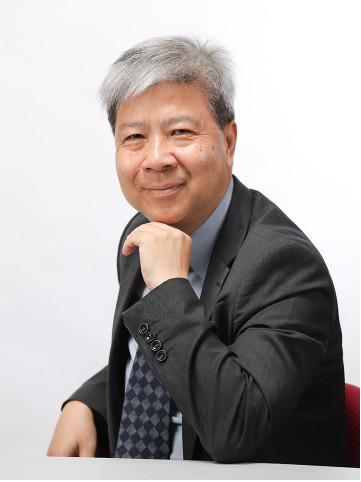
Research Chair Professor, Department of Mathematics and Information Technology (MIT), The Education University of Hong Kong
Professor Kong Siu-cheung is currently a Research Chair Professor at the Department of Mathematics and Information Technology (MIT); and Director of the Artificial Intelligence and Digital Competency Education Centre (AIDCEC), at The Education University of Hong Kong (EdUHK).
Professor Kong is currently serving as the Editor-in-Chief of the international journal Research and Practice in Technology Enhanced Learning (RPTEL) and Journal of Computers in Education (JCE). He was the President of the Asia-Pacific Society for Computers in Education (APSCE) in 2014 and 2015 and is serving as the President of the Global Chinese Society for Computers in Education (GCSCE) from July 2023 to June 2025.
Professor Kong is on the Stanford Top 2% Scientist in Education list from 2019 to 2024. He was the winner of the 2019-2020 HKSAR University Grants Council Teaching Award (Team Award). He won EdUHK President's Awards for Outstanding Performance in Knowledge Transfer (Team Award) in 2020 and Outstanding Performance in Administration (Team Award) in 2021 and 2024. He was also the winner of the National Teaching Award 2022 - Higher Education (Undergraduate) - Tier-Two Award - Team Award of the PRC. Currently, he is a member of the 7th Academic Committee of the China Association for Educational Technology (CAET).
Professor Kong is leading an international project on promoting coding education and computational thinking development starting from 2016 to 2025. He is also leading two projects on Artificial Intelligence Literacy education for senior primary and junior secondary students in Hong Kong and France; senior secondary students, university students, school teachers and parents, and administrative staff at workplace in Hong Kong from 2020 to 2026. He is the programme leader of the Master of Science in Artificial Intelligence for Executive Professionals [MSc(AIEP)] programme at EdUHK. His research interests include AI literacy, metaverse literacy, and quantum literacy education; computational thinking, STEM and mathematics education; pedagogy in digital classrooms, teacher development, and policy in digital education.
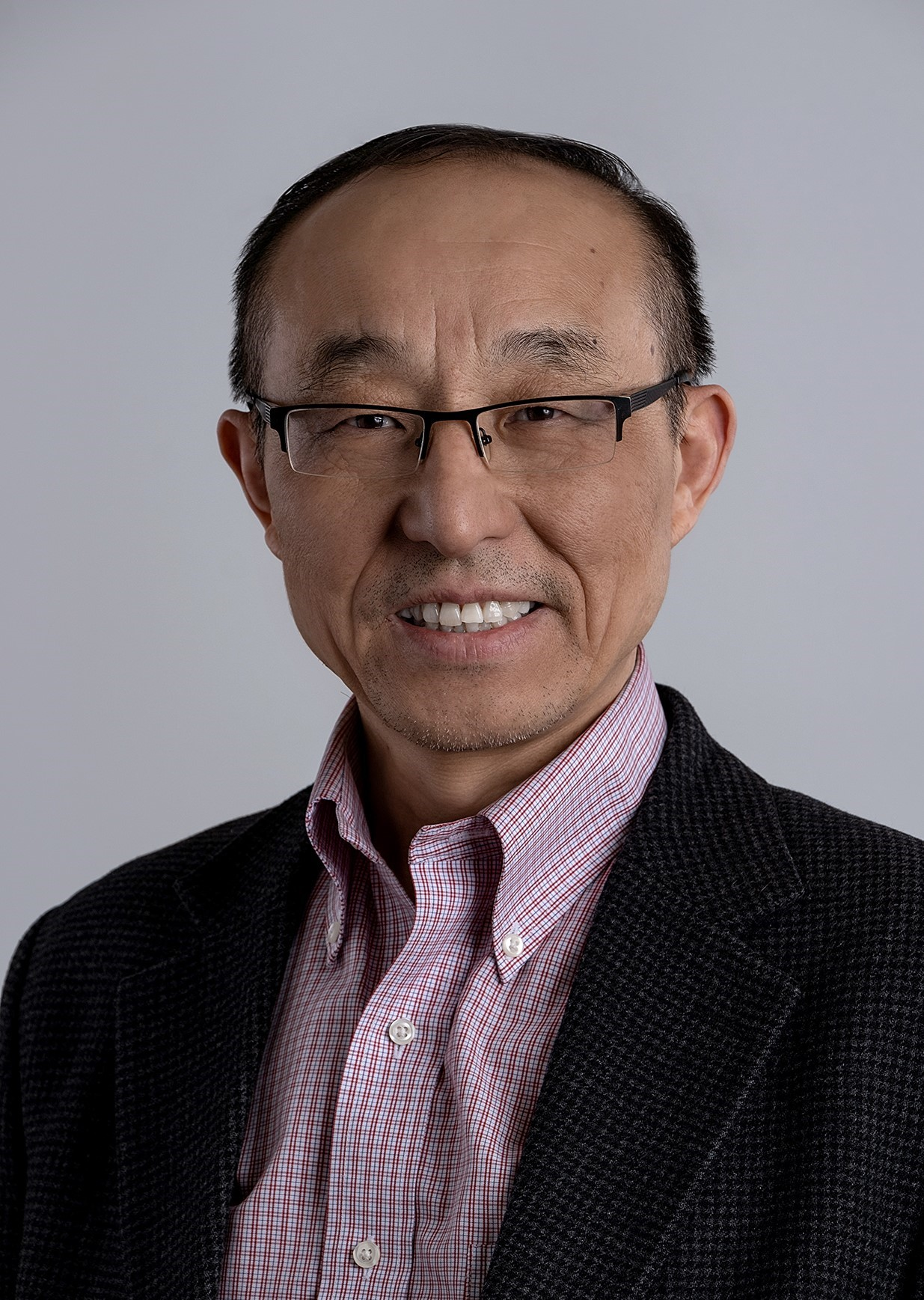
Chair Professor, Faculty of Education, University of Macau
Prof. Xiufeng Liu is a Chair Professor of STEM Education in the Faculty of Education, University of Macau. Liu obtained his Master's degree from East China Normal University in 1986 and PhD from University of British Columbia in 1993. Prior to joining the University of Macau, he taught high school chemistry in China, was a research associate at the China National Institute for Educational Research (currently Chinese Academy of Education), a tenured faculty member at St. Francis Xavier University and University of Prince Edward Island, both in Canada, and most recently a SUNY Distinguished Professor of Science Education in the Graduate School of Education, University at Buffalo, State University of New York.
Liu's research interests include measurement and evaluation in STEM education, student conceptual progression of cross-cutting concepts (i.e., matter and energy), and student and teacher STEM identity measurement and development. His research approach is quantitative and statistical, guided by cognitive and social-cultural learning and development theories. He has more than 130 refereed publications including 14 books. He has also received funding as PI and co-PI for more than $25 Million from such agencies as the National Science Foundation, National Institute of Health, the Spencer Foundation, and the Social Sciences and Humanities Research Council of Canada. In addition, he has mentored 21 doctoral and 20 master's students, and five postdoctoral fellows.
Liu is currently a co-editor-in-chief for Disciplinary and Interdisciplinary Science Education Research published by Springer; he has also served on editorial boards for six major journals in STEM education. Most recently, he served as a program director for two years in the Division of Research in Formal and Informal Settings, Directorate for STEM Education, US National Science Foundation.
Liu is a Fellow of the American Association for the Advancement of Science (AAAS, 2020), a recipient of the Exceptional Scholars Sustained Achievement Award, University at Buffalo (2018), the Distinguished Achievement Award for Excellence in Publishing, National Science Teaching Association (NSTA, 2010), and a guest/honorary professor at a few universities in China (e.g., Beijing Normal University, Northeast Normal University, Shandong Normal University).
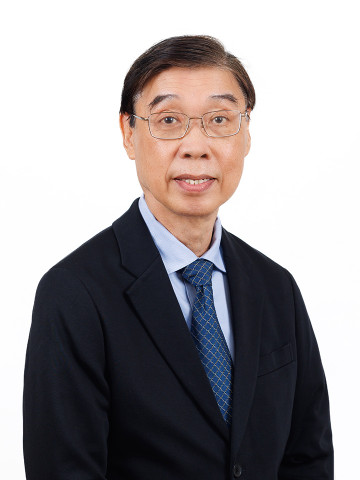
Research Chair Professor, Department of Curriculum and Instruction (C&I), The Education University of Hong Kong
Professor Looi Chee Kit is currently a Research Chair Professor at the Education University of Hong Kong and Emeritus Professor at the National Institute of Education (NIE), Nanyang Technological University (NTU) in Singapore. He previously served as Co-Director of the Center for Research and Development into Learning (CRDL) at NTU and was the founding Head of the Learning Sciences Lab (LSL) at NIE, the first such research center in the Asia-Pacific region. He also headed the Centre of Excellence for Learning Innovation (COELI) at NIE. Professor Looi holds a PhD from the University of Edinburgh and an MSc from the University of British Columbia.
His professional career includes roles as a senior research scientist and assistant director at Singapore's Information Technology Institute, senior program director at the Institute of Systems Sciences, National University of Singapore, and later as associate professor and full professor in the Learning Sciences & Technologies Academic Group at NIE, NTU. His research spans learning sciences, computer-supported collaborative learning, mobile learning, AI in education, and computational thinking. He has authored over 120 international journal papers, 50 books or book chapters, and 160 refereed conference papers, with substantial citation counts across Google Scholar, Web of Science, and Scopus.
Professor Looi's work has achieved significant practical impact. His research on rapid collaborative learning was cited in the 2010 US National Educational Technology Plan, and his mobile learning projects were highlighted in Sesame Workshop's 2009 report "Pockets of Potential." He has been principal or co-principal investigator for more than 20 funded research projects supported by agencies in Singapore, Hong Kong, and Google. Additionally, he has delivered over 85 keynote, plenary, and invited talks worldwide.
He is a Fellow of the International Society of Learning Sciences and the Asia-Pacific Society for Computers in Education, and has held leadership roles such as President of the Global Chinese Society of Computers in Education. Professor Looi serves as associate editor or editorial board member for several leading journals and has chaired numerous international conferences. His scholarly influence has been recognized through multiple awards, inclusion in Stanford-Elsevier’s Top 2% of Career Scientists Worldwide, and rankings among the top researchers in educational technology and computer science globally.
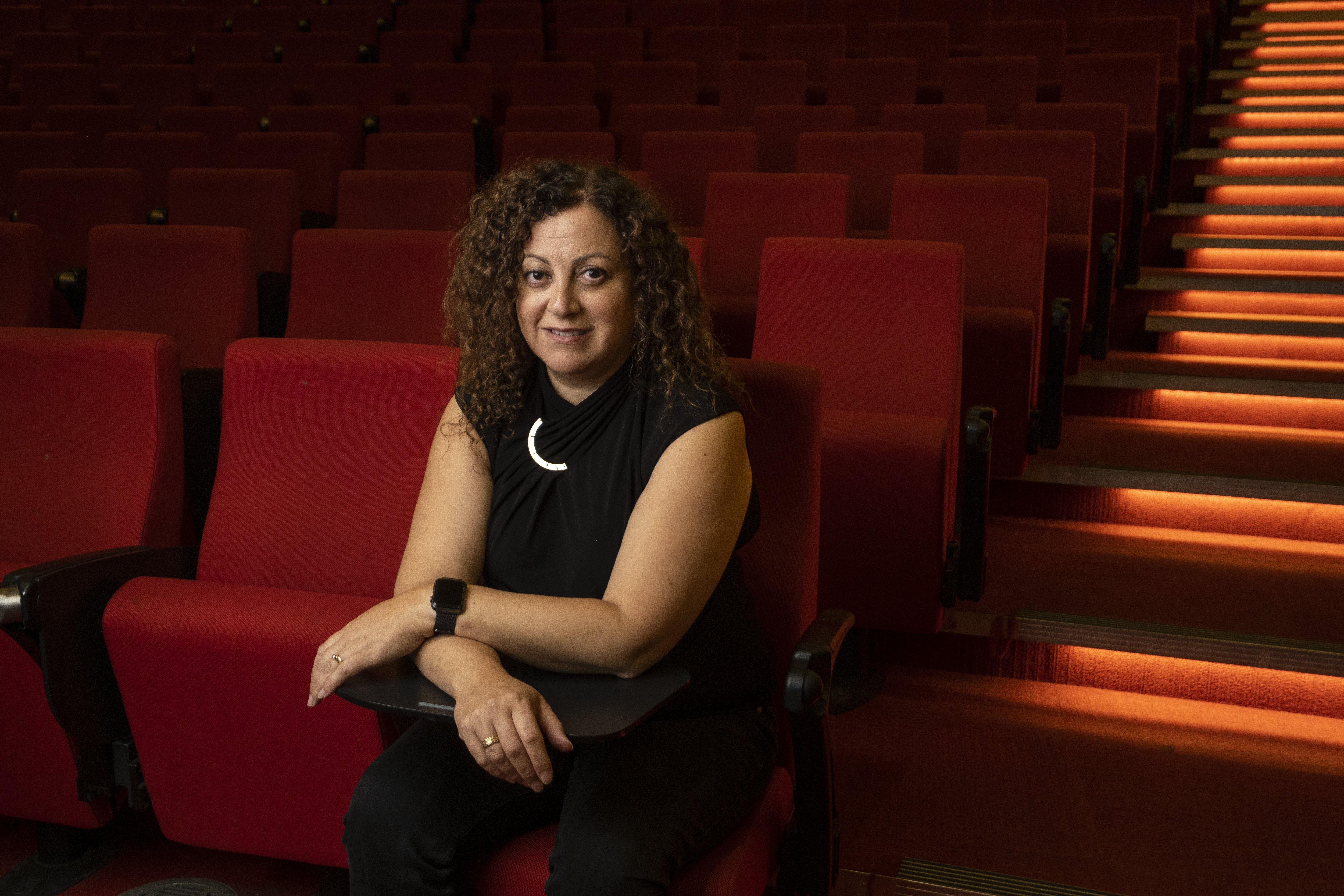
Professor, School of Education, La Trobe University
For over 30 years Professor Therese Keane has been a champion for empowering girls in STEM. Her passion and many achievements have been acknowledged by her peers in her receiving numerous international, national and state awards. She has worked in a variety of school settings where she has taught IT and lead in K-12 education as the Director of ICT. Her Doctorate in Education focused on ICT Leadership in schools.
Therese's research and expertise lie at the intersection of ICT issues related to children, young people, teachers, parents, principals, ICT education, educational technologies, technological innovations, and gender in computing. Her work is interdisciplinary and theoretically robust but at its core is a concern with how various educational settings (early education, primary and secondary schools) and their stakeholders learn, use and teach with and about breakthrough technologies alongside new innovations, as well as the way it is negotiated, integrated and even, at times, resisted. In pursuing these research interests, she continues to investigate, several diverse avenues for research such as educational, humanoid, social robots; AI; computational thinking; computing education; children and programming; virtual reality and how these technologies are used by children and by extension educational stakeholders.
Therese has served on several State, National and International Boards including; Chair of Australian Computer Society's (ACS) ICT Educators Committee, Australian Council of Computers in Education (ACCE) and Australian Representative for the International Federation of Information Processing (IFIP) Technical Committee on Education (TC3). Currently, she is the Chair for TC3 - WG3.3 - "Research into Educational Applications of Information Technologies". Therese is Deputy Editor for "Education and Information Technologies" - the official journal of the IFIP Technical Committee on Education covering the complex relationship between information and communication technologies and education. Throughout her career, Therese has also been an office holder in three professional teaching associations, the Victorian Information Technology Teachers Association (VITTA), Information and Communications Technology in Education Victoria (ICTEV) and the Digital Learning & Teaching Victoria (DLTV). Therese has presented numerous seminars and workshops for teachers involved in the teaching of Information Technology. She has written 18 textbooks in all units of VCE Senior Information Technology in Victoria since 1995 and has worked with the Victorian Curriculum and Assessment Authority (VCAA) in the development of the VCE IT Study Design and various roles associated with VCE assessment over the past 25 years.
Therese has been involved in the provision of professional development to ICT teachers and research into the use of technology, gender inequalities in STEM based subjects, robotics in education and computers in schools for teaching and learning purposes. Therese has developed and delivered workshops in humanoid robot (NAO) for primary and secondary school students and was also involved with the FIRST LEGO League as Tournament Director for Victoria and lead mentor for the RoboCats – a schoolgirl only robotics team that participated in the FIRST Robotic Competition from 2014-2020.
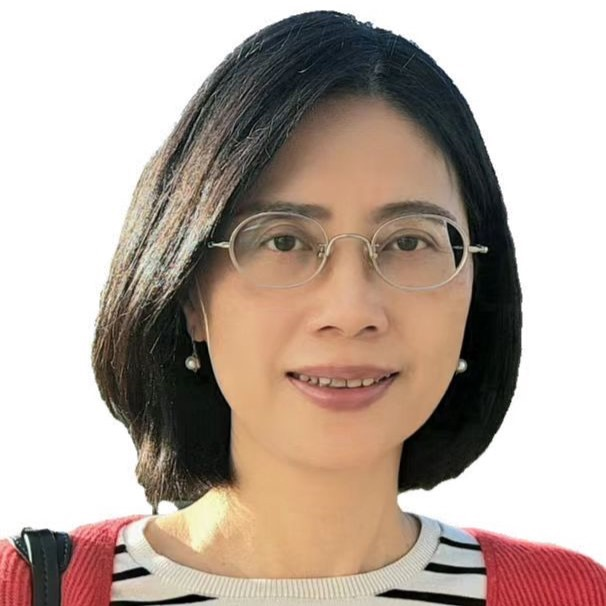
Associate Professor, Department of Curriculum and Instruction (C&I), The Education University of Hong Kong
Dr. Zhan Ying is an Associate Professor at The Education University of Hong Kong. She holds a PhD from the University of Hong Kong and specializes in feedback, formative assessment, and e-assessment, with a focus on higher education.
With over 20 years of experience at the tertiary level, Dr. Zhan has published more than 60 articles in top academic journals. She is an active researcher with a strong record of securing external research grants, including General Research Grant ( 3 as PI) and PICO-Funded Public Policy Research (1 as PI). Most recently, she was named among the World’s Top 2% Most-cited Scientists by Stanford University in 2025. Additionally, she has received multiple teaching awards and was honored with The President's Award for Outstanding Performance in Teaching for 2024/25 (Individual Award -- General Faculty Member Category).
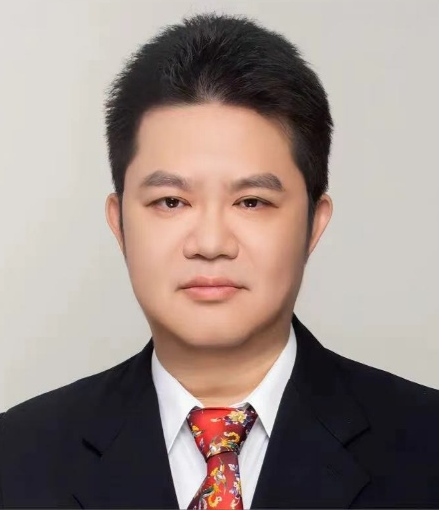
Professor, Faculty of Artificial Intelligence in Education, Central China Normal University
Professor Wu Longkai is a distinguished Professor and Doctoral Supervisor at Central China Normal University (CCNU) and serves as the Chief Expert for a Key Project of the National Social Science Fund of China. He holds a PhD in Learning Sciences and Technologies from Nanyang Technological University, Singapore.
His primary research focuses on cutting-edge areas such as Educational Artificial Intelligence (AIEd), Intelligent Educational Assessment, and Educational Informatization Policy and Practice. His extensive international research experience, including over eight years as a Research Fellow at the National Institute of Education, Singapore, deeply informs his current work.
Professor Wu leads several significant national research projects, including the National Education Science Planning Key Project - Research on Smart Technology Empowering Educational Evaluation Reform. His substantial scholarly output includes recent publications like the co-authored book - International Case Studies of Smart Technology Empowering Educational Assessment (Science Press, 2024) and numerous high-impact journal articles in SSCI/CSSCI journals. He has also delivered invited keynote speeches at major international conferences, such as the International Conference on Computers in Education.
Actively engaged in the global academic community, he holds key professional roles, including being a member of the Springer Nature Editorial Board and an Executive Committee member of the Global Chinese Society for Computers in Education (GCSCE). Currently affiliated with CCNU's Faculty of Artificial Intelligence in Education and the National Engineering Research Center for Educational Big Data Application Technology, Professor Wu is a leading figure driving innovation in educational digitalization and intelligent assessment.
Professor, School of Information Technology in Education, South China Normal University
Dr. Zhan Zehui is a Professor and Doctoral Supervisor. She is recognized as a Young Pearl River Scholar and a Hong Kong Scholar. Currently, she serves as the Head of the Intelligent Education Equipment Industry-University-Research Base at South China Normal University (SCNU), and the Deputy Director of the SCNU Innovative Talent Cultivation Research Center. She also acts as the Chief Expert of the Guangdong Provincial Education "Dual Integration and Dual Innovation" Teacher Digital Literacy Enhancement Practice Activity Expert Group, and is responsible for the Normal University Student Track of the Guangdong-Hong Kong-Macao Student Information Technology Innovation Competition. Additionally, she holds the position of Deputy Director of the Guangdong-Hong Kong-Macao Greater Bay Area University-School STEAM Education Alliance. Her roles further include Deputy Director of the Guangdong Provincial Key Laboratory of Artificial Intelligence and Smart Education, Deputy Director of the Guangdong Provincial Education Assessment Big Data Engineering Technology Research Center, and President of the Interdisciplinary Research Committee of the Guangdong College Entrance Examination Research Association. In the international academic community, she is an International Advisory Committee Member for the journal International Journal of Educational Technology in Higher Education, Associate Editor for Asia Pacific Journal of Innovation and Entrepreneurship, and serves on the editorial boards of Computers & Education: AI and Future in Educational Research. Domestically, she is the Secretary-General of the Maker and Interdisciplinary Education Research Group under the Information Technology Education Professional Committee of the China Association for Educational Technology, a Standing Council Member of the Digital Science and Technology Branch of the Guangdong Higher Education Association, and a Theoretical Mentor for the Guangdong Provincial Primary and Secondary School "Hundred, Thousand, Ten Thousand Talent Cultivation Project" for Intelligent Master Teachers.
In recent years, she has presided over and completed research projects funded by the National Natural Science Foundation of China, the National Social Science Fund, the Ministry of Education Humanities and Social Science Fund, the Guangdong Natural Science Foundation, and major basic and applied research projects from the Guangdong Provincial Department of Education. She has published six academic monographs, co-authored or edited over ten textbooks, and published more than 100 papers in domestic and international academic journals. Her honors include the National Excellent Doctoral Dissertation Nomination Award, the Ministry of Education's Fok Ying Tung Education Foundation Award for Young University Teachers, the First Prize in the National Educational Software Competition, and the Outstanding Teacher Award from South China Normal University. Notably, she has been consecutively listed as a Highly Cited Chinese Researcher by Elsevier for four years since 2020. Her main research directions are Interdisciplinary and Innovative Education, and Learning Sciences and Smart Education.

Professor, Faculty of Artificial Intelligence in Education, Central China Normal University
Yang Yuqin, PhD from The University of Hong Kong, Professor and Doctoral Supervisor at the Faculty of Artificial Intelligence in Education, Central China Normal University, and Doctoral Supervisor at The Education University of Hong Kong; Recipient of the Talent Program of Hubei Province and the Guizi Young Scholar of Central China Normal University. She has long been engaged in research in learning sciences, higher-order thinking and competencies, and data-driven learning assessment. She has presided over multiple national and provincial-level research projects.
She serves as guest editor and editorial board member for several SSCI-indexed journals, including Learning and Instruction (CAS Zone 1 Top, SSCI Q1, IF = 6.2), British Journal of Educational Technology (SSCI Q1, IF = 6.6), and Learning and Individual Differences (SSCI Q1, IF = 3.6). She has also chaired multiple international and domestic conferences, such as ICCE, GCCCE, and the Learning Sciences Division conferences. In the past five years, she has published several SSCI and CSSCI papers in renowned domestic and international journals, including Computers & Education, Internet & Higher Education, American Educational Research Journal, International Journal of Computer-Supported Collaborative Learning, International Journal of Educational Technology in Higher Education, British Journal of Educational Technology, Teaching and Teacher Education, Journal of Computing in Higher Education, Educational Technology Research & Development, Journal of Computer Assisted Learning, E-Education Research, China Educational Technology, and Modern Educational Technology. She has received awards such as the Best Paper Award at the AERA Annual Meeting, AECT, GCCCE, and the Ninth Hubei Province Teaching Achievement Award.
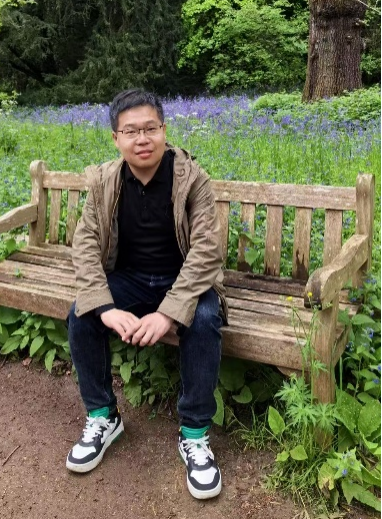
Associate Professor, College of Education, Zhejiang University
Dr. Zhai Junqing, a native of Tianjin, China, earned his PhD from King's College London in the United Kingdom. He previously served as a Research Fellow at the National Institute of Education, Nanyang Technological University in Singapore. Currently, he is an Associate Professor at the College of Education, Zhejiang University, and an Honorary Associate Professor at the School of Education, University of Nottingham, United Kingdom. His research and teaching primarily focus on nature education and outdoor education, science and environmental education in informal contexts, and instructional practices in primary and secondary science classrooms.
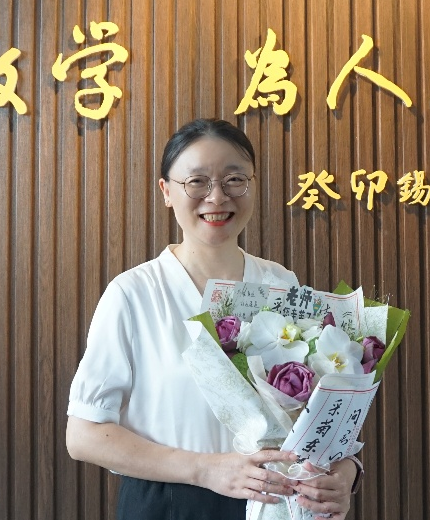
Associate Professor, College of Education, Zhejiang Normal University
ZHU Liying, a Master's Supervisor in Subject Teaching (Chemistry), holds a PhD in Curriculum and Teaching Theory (Chemical Education) from East China Normal University and was a visiting scholar at the University of Kansas in the United States. She serves as a Standing Council Member of the Zhejiang Provincial Education Society's Secondary School Chemistry Teaching Branch. Her research primarily focuses on chemistry (science) teacher education, educational measurement and assessment, and the integration of information technology into science teaching. She teaches multiple teacher education courses, including Chemical Pedagogy, Microteaching, and Teaching Measurement and Assessment, and is proficient in educational statistical software such as SPSS. Additionally, she supervises graduation theses for undergraduate and graduate students majoring in chemistry. She has published numerous papers in SSCI-indexed journals such as Journal of Science Education and Technology, International Journal of Science Education, and Journal of Chemical Education, as well as in leading Chinese academic journals including e-Education Research, Global Education, and Chemistry Education.
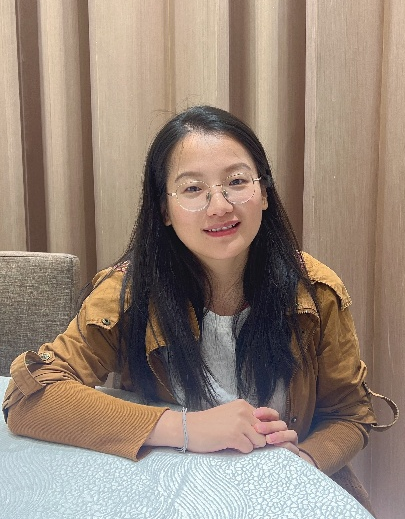
Associate Professor, College of Teacher Education, Ningbo University
Dr. Luo Ma is an Associate Professor and Master's Supervisor. She holds a PhD in Education with a specialization in Curriculum and Instruction from East China Normal University. Her primary research focuses on Science Education and Chemistry Education. In her teaching role, she instructs undergraduate courses including Primary School Science Curriculum and Instruction, Educational Research Methods, Education Studies, and STEM Curriculum and Maker Education Practice. At the graduate level, she teaches Chemistry Instructional Design and Implementation for Secondary Schools, Chemistry Teaching Measurement and Evaluation, and Psychology of Chemistry Learning.
Dr. Luo has authored a number of notable academic works, such as Evaluating scientific reasoning ability: Student performance and the interaction effects between grade level, gender, and academic achievement level, Evaluating scientific reasoning ability: The design and validation of an assessment with a focus on reasoning and the use of evidence, From Scientific Reasoning to Evidence-Based Reasoning: A Discussion on Connotation, Constructing a Level Framework for 'Evidence-Based Reasoning' Ability: A Delphi Study, An Investigation on Learning Environment and Teaching Status under the Background of Smart Education, and Investigating Pre-Service Science Teachers' Design Performance in Laboratory Class: The Inquiry-Based Design Thinking Approach. She has published over 10 papers in domestic and international journals, with several articles being fully reprinted by the National People's Congress (NPC) Press Reprint Materials.

Research Associate Professor, Department of Mathematics and Information Technology (MIT), The Education University of Hong Kong
Dr. Yang Yin Nicole is a Research Assistant Professor in the Department of Mathematics and Information Technology at The Education University of Hong Kong (EdUHK), Hong Kong SAR.
Dr Yang is an interdisciplinary researcher of cognitive science, language education, and educational technology. Her work bridges multiple disciplines, leveraging her diverse academic background to explore innovative approaches to teaching and learning in technology-enhanced environments. Drawing upon contemporary cognitive science and learning theories, her research explores the intersection of human cognition, AI, and instructional design to understand and enhance how people learn. Her interdisciplinary research advances emerging technology-driven education, with a focus on (1) AI-powered creative language learning systems that support metacognitive strategies through emerging technologies. (2) cognitive mechanisms that drive human–computer collaboration; and (3) innovative learning design that integrates insights from cognition and technology to optimize learning outcomes. Her work investigates how people learn language and other complex skills in technology-enhanced environments, with a special focus on the cognitive and metacognitive processes underlying such learning. She is particularly interested in how humans interact with AI, and emerging technologies to support self-regulated, and higher-order thinking.
Dr. Yang earned her PhD in education from the Education University of Hong Kong, focusing on self-regulated learning in computer-assisted learning environments (e.g., language education). She also holds an MSc in Information Technology in Education from the University of Hong Kong, as well as a bachelor's degree in English education and linguistics. She is a visiting scholar of Paris-Saclay University in 2025, and the University of Munich in 2024.
Dr. Yang has published SSCI and top-tier journals, such as Computer-Assisted Language Learning, Educational Technology & Society, System, IEEE Transactions on Learning Technologies. She has also contributed book chapters and served as an editor for books and conference proceedings.
Dr. Yang is active in international academic events and activities. She is a member of HKTEA Design Thinking Community of Practice. She has received many awards. She was honored with the Outstanding Research Postgraduate Student Award from the Dean's Research Fund 2023. and the Research Postgraduate Student Publication Award 2022/2023, Best Paper Presentation Awards on the 2nd Asia-Pacific Society for Computers in Education (APSCE) International Conference on Future Language Learning (2022), Platinum Awards @ 3MT® Competition (Platinum Prize, 1st Prize).
Assistant Professor, National Institute of Education, Nanyang Technological University
Dr. Zhu Gaoxia is an assistant professor in the Learning Sciences and Assessment Academic Group. Before joining NIE, she worked as a postdoctoral associate at the Department of Psychology, Cornell University, researching how adolescents' psychological factors change during their self-driven learning. She received her PhD degree in Curriculum & Pedagogy (specialization in Learning Sciences) from the University of Toronto, doing Knowledge Building, CSCL, learning analytics, emotion, and STEM education research. She supervises research assistants and graduate students. Her mentees have published in top-tier journals, presented at top conferences, and received the Outstanding Student Paper Award Nomination or Undergraduate Poster Award.
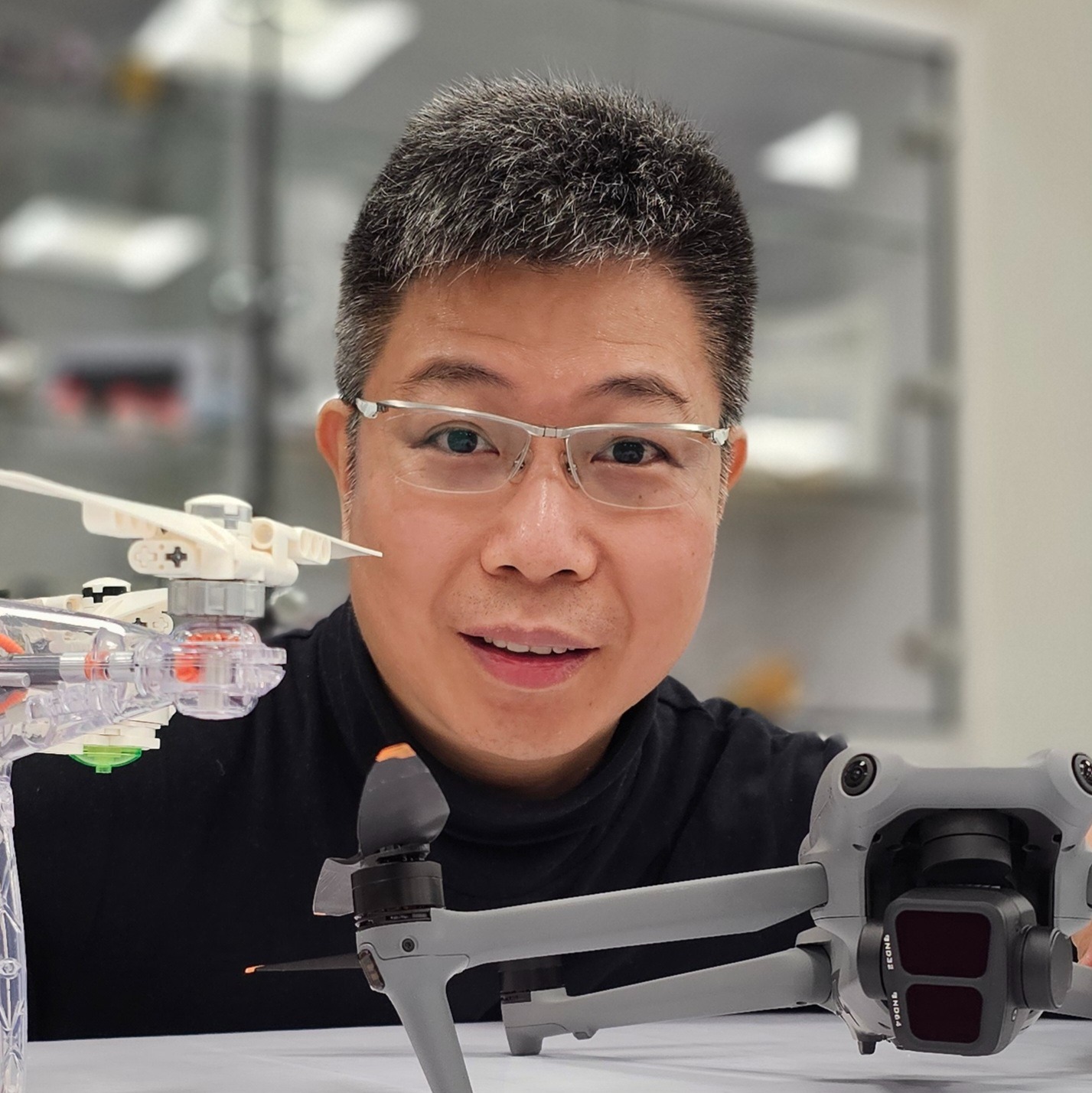
PhD candidate, Department of Science and Environmental Studies, The Education University of Hong Kong
Mr. Yeung Chung Yiu is a PhD candidate in the Department of Science and Environmental Studies at The Education University of Hong Kong.
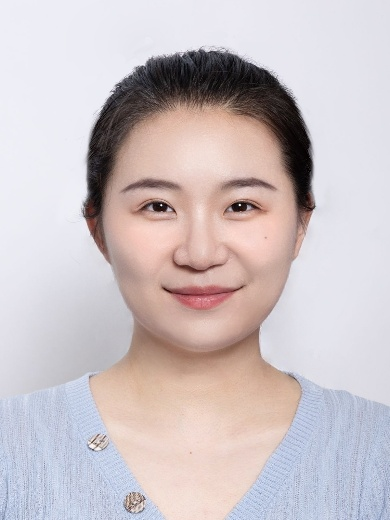
Research Assistant, Department of Mathematics and Information Technology (MIT), The Education University of Hong Kong
XU Zhiwen Wynna holds a Master of Education from The Education University of Hong Kong (EdUHK). She is currently working as a Research Assistant I in the Department of Mathematics and Information Technology at EdUHK, and her research focuses on STEM education, Artificial Intelligence in Education, and Educational Assessment. She has been actively involved in multiple interdisciplinary research projects. Her key contributions include the development of intelligent learning platforms (e.g., i-STEM, ScaffoldiaMyMaths), design of curriculum materials, data collection and analysis, and drafting research reports and academic papers.
In terms of research output, she has co-authored several journal papers. Her publication record includes one paper in an SSCI Q2 journal and five conference papers. Additionally, she has five SSCI manuscripts under review and two ESCI papers currently under revision. Furthermore, she has gained substantial experience in organizing and coordinating academic events, having facilitated several international conferences and university exchange programs.
Email: zxu@eduhk.hk
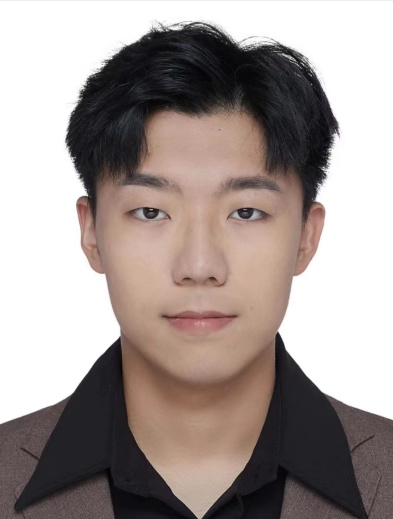
PhD Student, Department of Mathematics and Information Technology (MIT), The Education University of Hong Kong
Liu Jingxi is a first-year PhD student in the Department of Mathematics and Information Technology at the Education University of Hong Kong. His research focuses on the integration of learning sciences and educational technology, with a special emphasis on mathematics and science education. He has participated in several key research projects funded by the Education University of Hong Kong and the Guangdong Provincial Education Science Program.
Email: liujingxi53@gmail.com
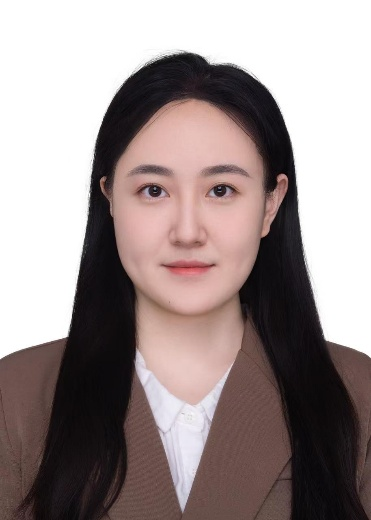
PhD candidate, Department of Mathematics and Information Technology (MIT),The Education University of Hong Kong
Zheng Zhizi is a PhD candidate in the Department of Mathematics and Information Technology at the Education University of Hong Kong. Her research interests include learning sciences, learning analytics, human-AI interaction, and STEM education. She has published articles in conferences as well as in SSCI-indexed journals, including BJET, Interactive Learning Environments, Education and Information Technologies, and Thinking Skills and Creativity.
Email: s1147994@s.eduhk.hk
Google Scholar: https://scholar.google.com/citations?user=lfLG-VgAAAAJ&hl=en
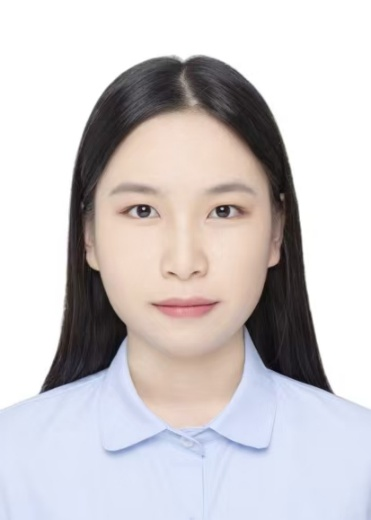
Research Assistant, Department of Mathematics and Information Technology (MIT), The Education University of Hong Kong
Huang Zhuangqing holds a Master's degree in Artificial Intelligence and Educational Technology from The Education University of Hong Kong, building upon her undergraduate background in Educational Technology from Shenzhen University. Her research focuses on the design and development of intelligent educational environments. She is particularly interested in leveraging AI and immersive technologies, such as educational games and virtual simulations, to enhance learning engagement and outcomes. Currently, her primary responsibility within the group involves the design and development of innovative curriculum that integrate these technological tools into practical teaching scenarios. Her previous hands-on experience in projects like game design with Unity and 3D virtual tour production has equipped him with strong technical skills in multimedia design and programming, which she actively applies to the team's course design projects.
Research Interests: AI in Education, Educational Course Design, Immersive Learning, Educational Game Development
Projects: Impression Dragon Boat Game - An educational game exploring cultural heritage. [More]
Email: huangz@eduhk.hk
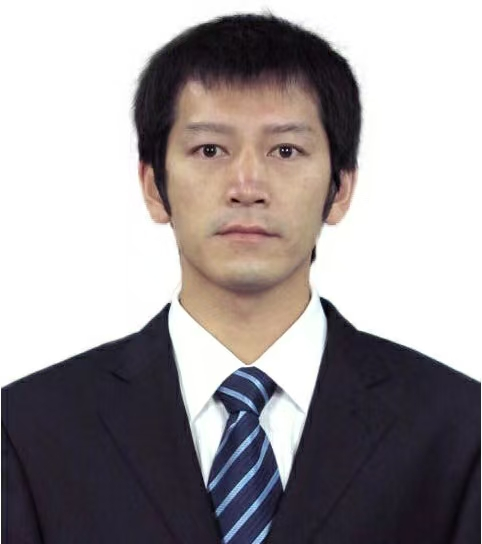
Research Assistant, Department of Mathematics and Information Technology (MIT), The Education University of Hong Kong
Li Dan is a Senior Software Engineer with more than 13 years of experience in backend development and distributed systems. He holds a Master's degree in Computer Technology from Xi'an Jiaotong University and a Bachelor's degree from Northwestern Polytechnical University.
Research interests: Distributed systems, microservices architecture, high-performance backend development, and recommendation systems.
Achievements:
Built community platforms serving 10M+ users with 50% performance improvement.
Developed recommendation systems increasing product exposure by 150%.
Designed workflow engines reducing approval time from days to hours.
Technical Expertise: Golang, Python, PHP, MySQL, Redis, message queues, and RESTful APIs.
Email: ldan@eduhk.hk

Research Assistant, Department of Mathematics and Information Technology (MIT), The Education University of Hong Kong
Zhao Yunfan is currently a Research Assistant. She holds a Master of Science in AI & Educational Technology from The Education University of Hong Kong, where she graduated with Dean's Honors. Her primary research interests lie at the intersection of artificial intelligence and education, specifically focusing on AI in Education, AI Literacy, and Technology-Supported STEM Education. She is actively engaged in scholarly work, with her recent research titled "The Integration of Artificial Intelligence in Education: A Dual-Factor Analysis of Novice Teachers' Adoption Barriers and Facilitators" currently under review.
Email: zyunfan@eduhk.hk
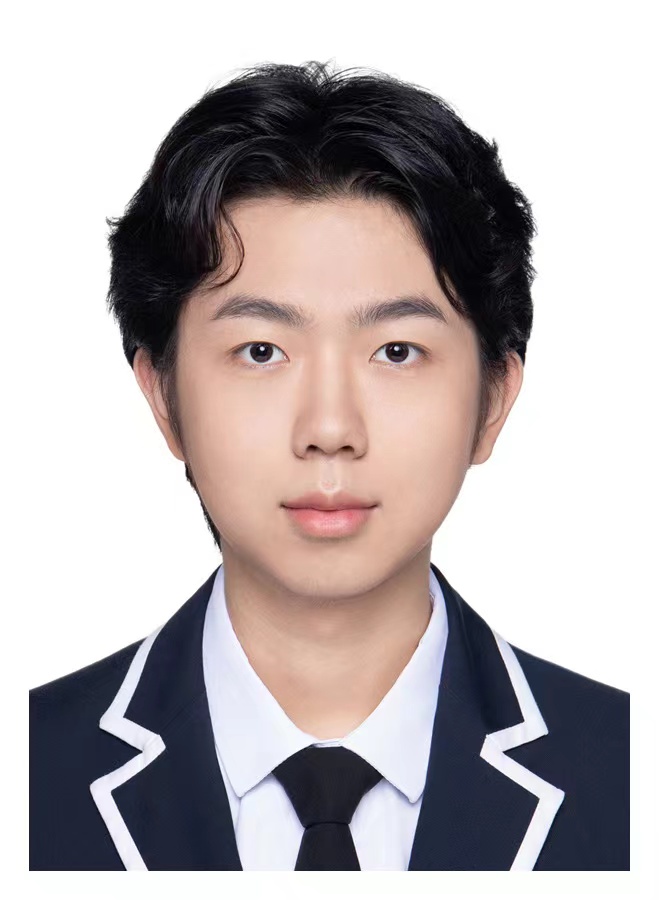
Research Assistant, Department of Mathematics and Information Technology (MIT), The Education University of Hong Kong
Li Linze is a research assistant in the Department of Mathematics and Information Technology at the Education University of Hong Kong. His research interests lie in collaborative learning, AIED, complex network analysis and peer assessment.
Haide Experimental School

Holy Trinity Primary School
The Education University of Hong Kong Jockey Club Primary School
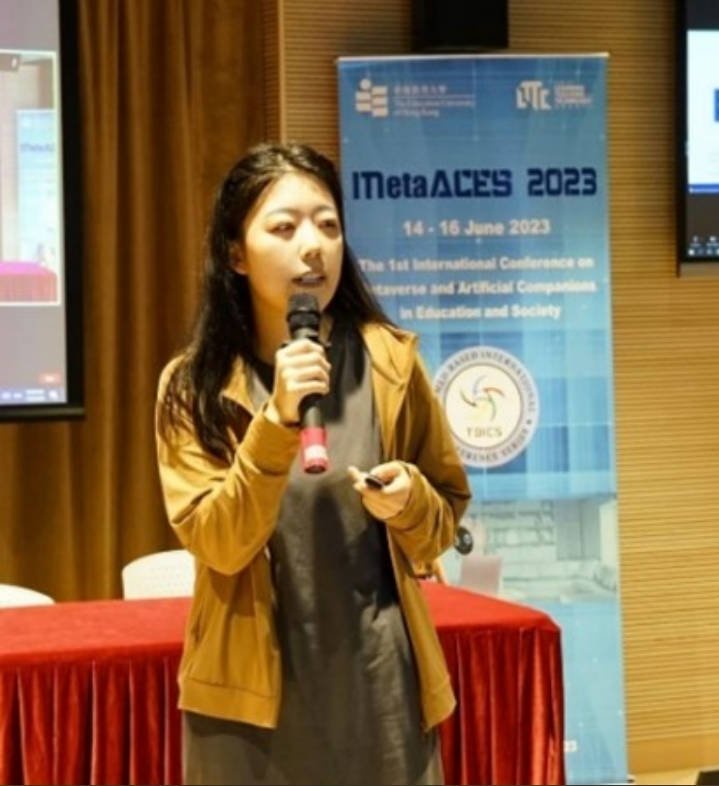
Jia Fenglin is a PhD candidate at the School of Design, The Hong Kong Polytechnic University.
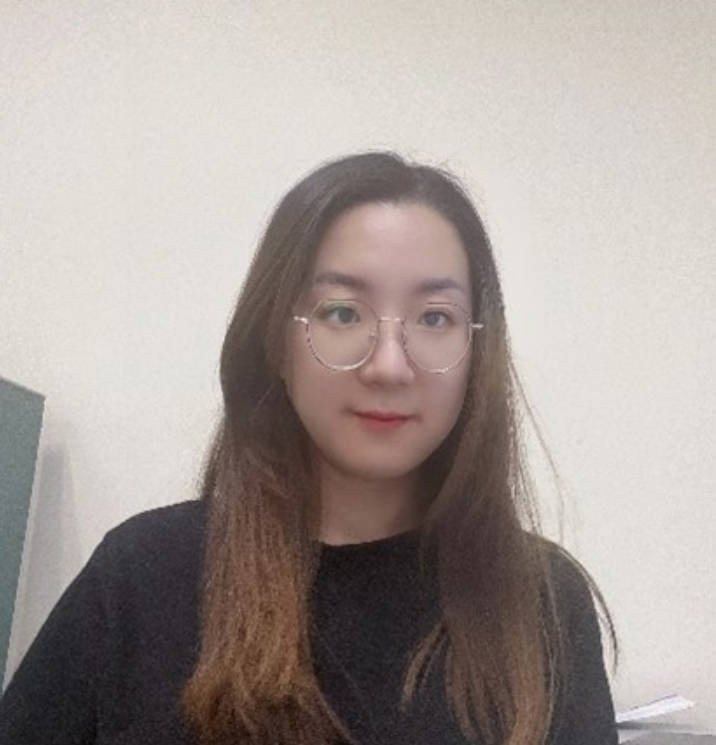
Tian Peiyao is a PhD candidate at the Faculty of Education, The University of Hong Kong.